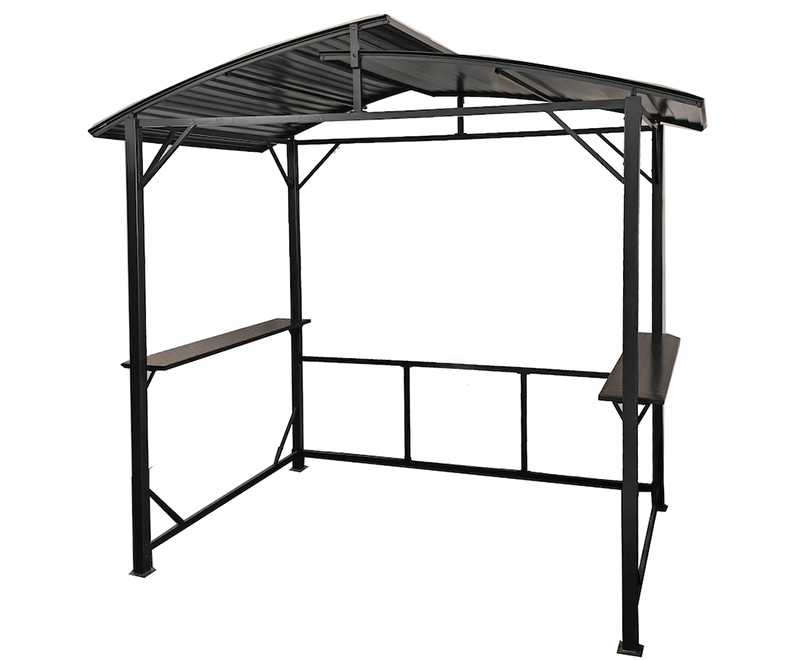
What Materials Are Hardtop Gazebos Made Of?
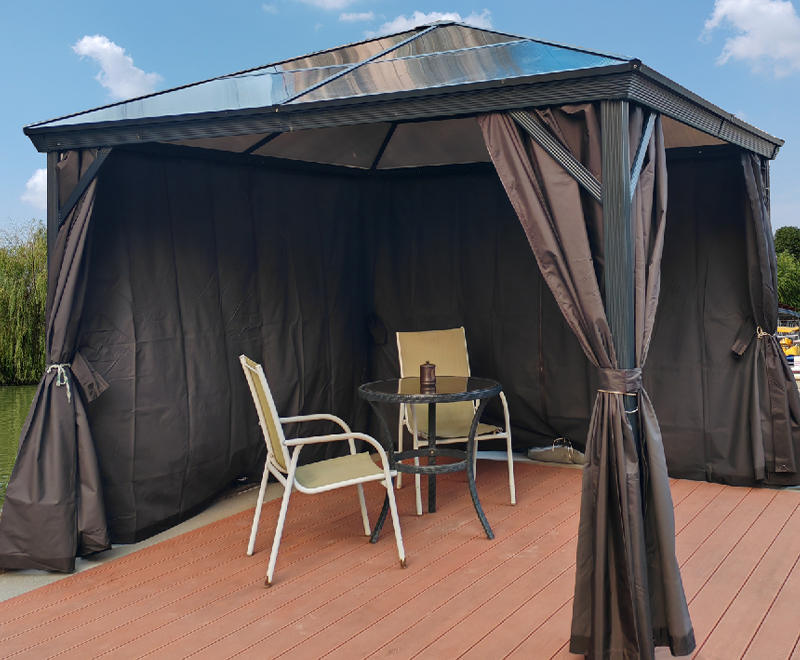
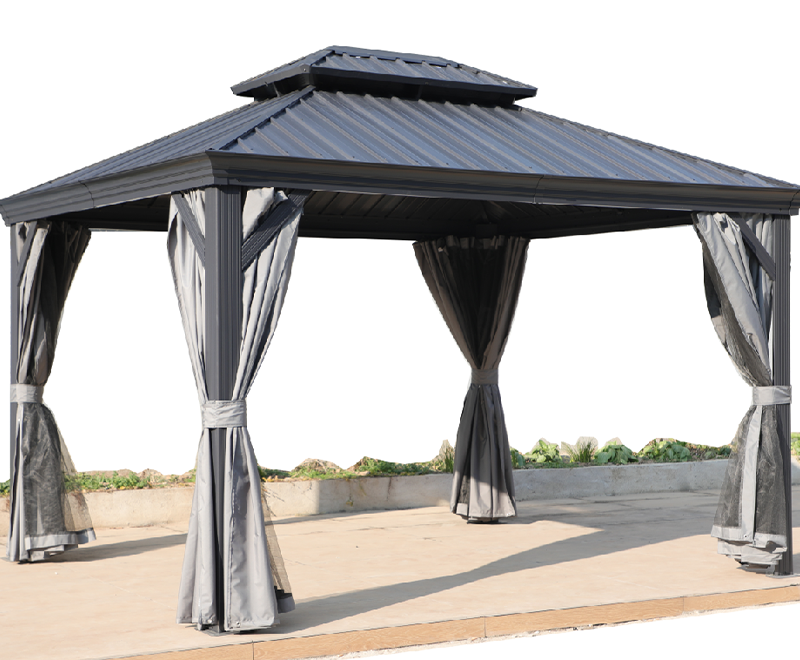
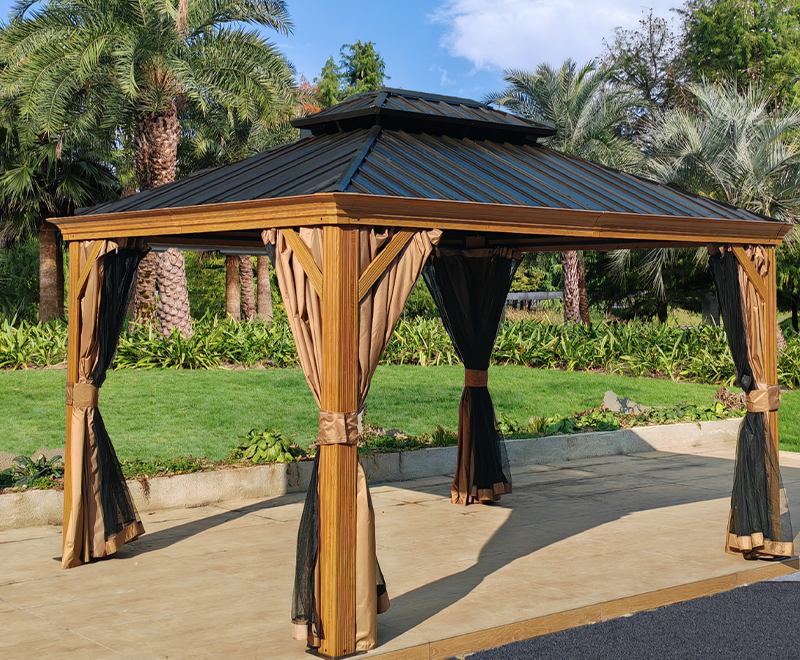
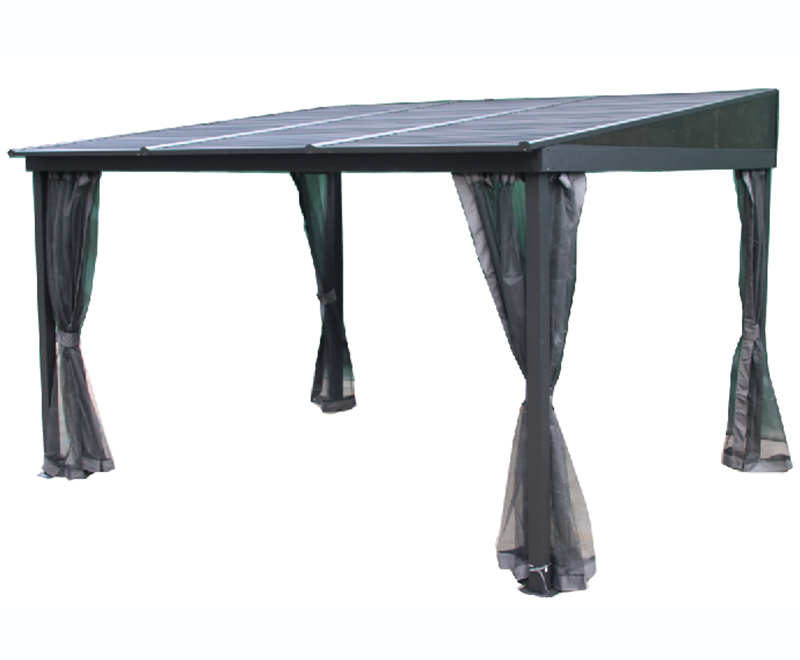
A hardtop gazebo is typically built from a combination of a metal frame — usually aluminum or steel — and a rigid roof panel made of polycarbonate, galvanized steel, or asphalt shingle over wood. The frame material determines the structure's weight capacity and rust resistance, while the roof material determines how well it handles UV exposure, hail, snow load, and long-term weathering.
In short: aluminum frames offer the best rust resistance and lowest maintenance, steel frames offer the highest strength and wind resistance at a lower price point but require rust protection, and polycarbonate roof panels offer the best balance of light transmission, UV blocking, and impact resistance compared to metal or shingled roofs. The right combination depends on your climate, budget, and how much upkeep you're willing to do.
Aluminum Frame Gazebos
Aluminum is the most common frame material for mid-to-high-end hardtop gazebos because it does not rust, is significantly lighter than steel, and requires almost no maintenance beyond occasional cleaning.
Advantages
- Corrosion resistance — aluminum naturally forms a protective oxide layer, making it well suited to coastal and humid climates where steel would rust.
- Lighter weight — aluminum frames typically weigh 30%–50% less than comparable steel frames, simplifying assembly and relocation.
- Low maintenance — no repainting or rust treatment is needed over the structure's lifespan, which commonly exceeds 15–20 years.
Drawbacks
- Higher material cost, often 20%–40% more expensive than an equivalent steel-framed unit.
- Lower tensile strength than steel, meaning thinner aluminum sections can flex under very heavy snow or wind loads unless reinforced.
Steel Frame Gazebos
Steel frames are valued for their strength and affordability, making them a common choice for budget and mid-range hardtop gazebos, particularly in regions with heavy wind or snow loads.
Advantages
- Higher structural strength — steel can support heavier roof loads, making it a common choice for regions with snowfall above 20 lbs per square foot.
- Lower cost — raw steel is generally cheaper than aluminum, keeping overall unit prices lower.
- Wind stability — the added weight of a steel frame helps anchor the structure in high-wind areas.
Drawbacks
- Prone to rust if the powder coating or galvanized finish is scratched or chipped, especially in humid or coastal environments.
- Heavier overall, which makes assembly and any future relocation more labor-intensive.
- Typically requires touch-up paint or rust inhibitor maintenance every 2–3 years in harsher climates.
Polycarbonate Roof Panels
Polycarbonate is the most popular roofing material for hardtop gazebos because it combines light weight, high impact resistance, and UV protection while still allowing natural light through.
Advantages
- High impact resistance — polycarbonate is roughly 200 times stronger than glass of the same thickness, making it resistant to hail and falling debris.
- UV protection — most gazebo-grade polycarbonate panels block 99% or more of UV rays, protecting furniture and skin underneath.
- Natural light transmission — translucent or tinted panels let in daylight while reducing glare, unlike solid metal roofs.
- Lightweight — reduces overall structural load compared to shingled or solid steel roofing.
Drawbacks
- Lower-grade polycarbonate can yellow or become brittle after 5–10 years of intense UV exposure if it lacks a UV-stabilized coating.
- Provides less sound dampening during heavy rain compared to shingled roofing.
Side-by-Side Comparison
The table below summarizes how aluminum, steel, and polycarbonate compare across the factors that matter most when choosing a hardtop gazebo.
Comparison of common hardtop gazebo frame and roof materials
| Material |
Typical Use |
Rust Resistance |
Relative Cost |
Maintenance |
| Aluminum |
Frame |
Excellent |
High |
Very low |
| Steel |
Frame |
Moderate (needs coating) |
Low–Moderate |
Moderate |
| Polycarbonate |
Roof panel |
N/A (non-metal) |
Moderate |
Low |
How to Choose Based on Your Climate and Budget
Material choice should be driven primarily by your local climate and how much long-term maintenance you're willing to take on, rather than appearance alone.
Selection Guidelines
- Coastal or humid climates — choose an aluminum frame to avoid the rust issues that steel frames face from salt air and moisture.
- High snow or wind load areas — a steel frame, or a heavy-gauge aluminum frame rated for your local load requirements, provides better structural stability.
- Sunny or high-UV regions — prioritize polycarbonate panels with a UV-stabilized coating to prevent yellowing and brittleness over time.
- Budget-conscious buyers — a steel frame with a polycarbonate roof typically offers the lowest upfront cost while still providing good weather resistance.
- Long-term, low-maintenance installations — an aluminum frame paired with a polycarbonate roof minimizes upkeep over a 15–20 year lifespan.
For most residential backyards, an aluminum frame with a polycarbonate roof offers the best long-term value, since it avoids the recurring rust maintenance steel requires while keeping the structure light enough for straightforward assembly. For buyers in regions with heavy snowfall who prioritize upfront cost over decades of maintenance-free use, a well-coated steel frame remains a practical and economical choice.
Maintenance Tips by Material
Proper care extends the lifespan of any hardtop gazebo, but the specific maintenance tasks differ depending on frame and roof material.
- Aluminum frames — rinse periodically to remove dirt buildup and check joint hardware for looseness after seasonal temperature swings.
- Steel frames — inspect for chipped paint or coating twice a year and apply touch-up rust inhibitor promptly to prevent corrosion from spreading.
- Polycarbonate roofs — clean with a soft cloth and mild soap; avoid abrasive cleaners that can scratch the UV coating and reduce its protective effect.
- All materials — clear snow buildup promptly in winter, since even rated structures perform best when loads are not left to accumulate for extended periods.



 English
 中文简体
中文简体 Français