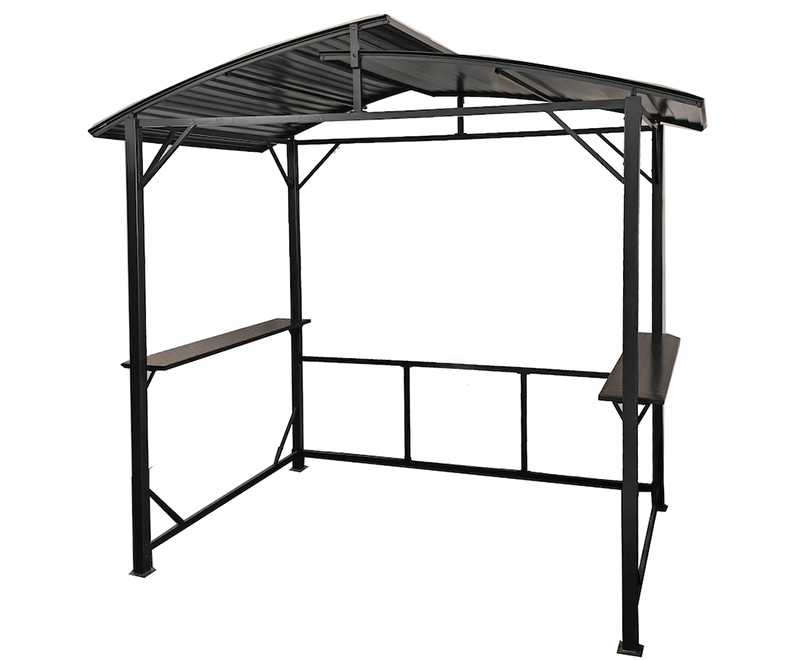
Wall Mounted Solarium or Freestanding Sunroom: Which Should You Choose?
A wall mounted solarium attaches directly to an existing exterior wall of your home, sharing one structural side with the building, while a freestanding sunroom is a fully independent structure with its own four walls and roof, standing apart from the main house. The choice between them depends mainly on your available space, budget, and whether you want the addition to function as an extension of your existing living area or as a separate outdoor structure.
In short: a wall mounted solarium is generally faster to install, costs less, and works well for smaller yards or patios close to the house, while a freestanding sunroom offers more design flexibility, better use as a standalone retreat, and is the better option when you have ample yard space and want a structure not tied to your home's existing wall layout. Both options can be built with hardtop or glass roofing depending on your climate and how you plan to use the space.
What Is a Wall Mounted Solarium?
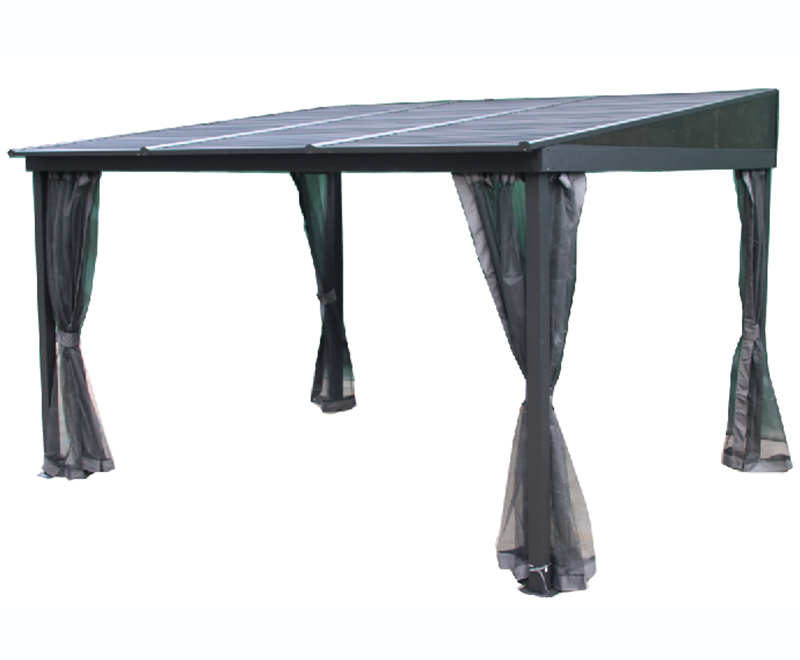
A wall mounted solarium, sometimes called an attached solarium or lean-to sunroom, is built directly against an exterior wall of the house, typically off a kitchen, living room, or patio door. The structure uses the home's wall as one of its supporting sides, which reduces both material costs and construction complexity.
Key Characteristics
- Shares a wall with the house — reduces the number of exterior walls that need to be built, typically requiring only three new walls or a mix of glass panels and a supporting frame.
- Direct indoor access — usually connects through an existing door or a newly installed opening, making it feel like a natural extension of the home.
- Smaller footprint options — well suited to compact yards, narrow side spaces, or patios where a fully freestanding structure would not fit.
What Is a Freestanding Sunroom?
A freestanding sunroom is a fully self-supporting structure, independent of the main house, with its own complete set of walls, roof, and foundation. It can be positioned anywhere on the property with suitable access, from poolside to the back corner of a large yard.
Key Characteristics
- Independent structure — requires its own full foundation and four-sided frame, generally increasing material and labor costs compared to an attached unit.
- Flexible placement — can be located anywhere on the property, including areas away from the house, such as near a pool or garden.
- Standalone function — often used as a dedicated retreat, guest space, home office, or pool house rather than an extension of existing living areas.
Side-by-Side Comparison
The table below compares the two options across the factors most homeowners weigh before deciding.
Comparison of wall mounted solariums and freestanding sunrooms
| Factor |
Wall Mounted Solarium |
Freestanding Sunroom |
| Structural walls needed |
3 (shares 1 wall with house) |
4 (fully independent) |
| Relative cost |
Lower |
Higher |
| Placement flexibility |
Limited to adjacent to house |
Anywhere on the property |
| Indoor access |
Direct, often through existing door |
Indirect, typically via yard or walkway |
| Typical use case |
Extension of living/kitchen space |
Standalone retreat, office, or guest space |
| Installation timeline |
Generally faster |
Generally longer |
Cost Differences to Expect
Because a wall mounted solarium reuses one wall of the existing house, it generally requires less framing material, less foundation work, and a shorter installation timeline than a freestanding structure of the same size.
On average, a wall mounted solarium can cost 15%–30% less than a comparably sized freestanding sunroom, largely due to the reduced framing and foundation requirements. Freestanding sunrooms also often require more extensive electrical and utility runs if plumbing, heating, or lighting is needed, since they cannot simply tie into the house's existing systems as easily as an attached structure can.
Which One Should You Choose?
The right choice comes down to your yard layout, budget, and how you intend to use the finished space.
Choose a Wall Mounted Solarium If:
- You have a smaller yard or patio and want to maximize usable space without a large freestanding footprint.
- You want the new space to function as a direct extension of an existing room, such as a kitchen or living area.
- You have a limited budget and want to reduce material and labor costs.
- You want a shorter construction timeline with less disruption to your property.
Choose a Freestanding Sunroom If:
- You have ample yard space and want the flexibility to place the structure wherever it makes the most sense, such as near a pool.
- You want the space to serve a distinct, separate purpose, like a guest suite, home office, or private retreat.
- Your home's existing wall layout doesn't offer a suitable location for an attached addition.
- You're willing to invest more upfront for greater design freedom and long-term versatility.
For most homeowners adding usable living space on a moderate budget, a wall mounted solarium delivers the best value, since it lowers construction costs while keeping the new space closely connected to daily indoor life. For those with the yard space and budget to prioritize flexibility, a freestanding sunroom offers a more versatile long-term investment that isn't constrained by the house's existing footprint.



 English
 中文简体
中文简体 Français