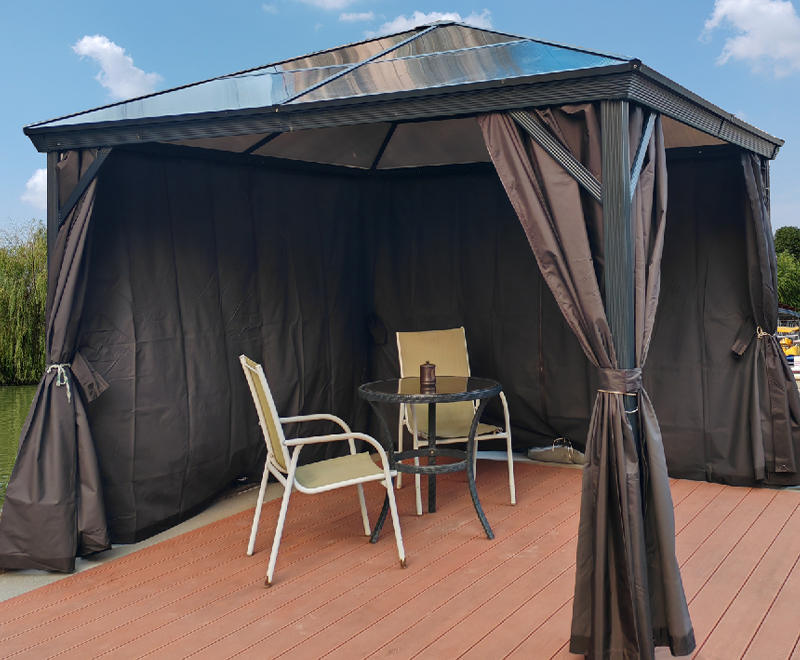
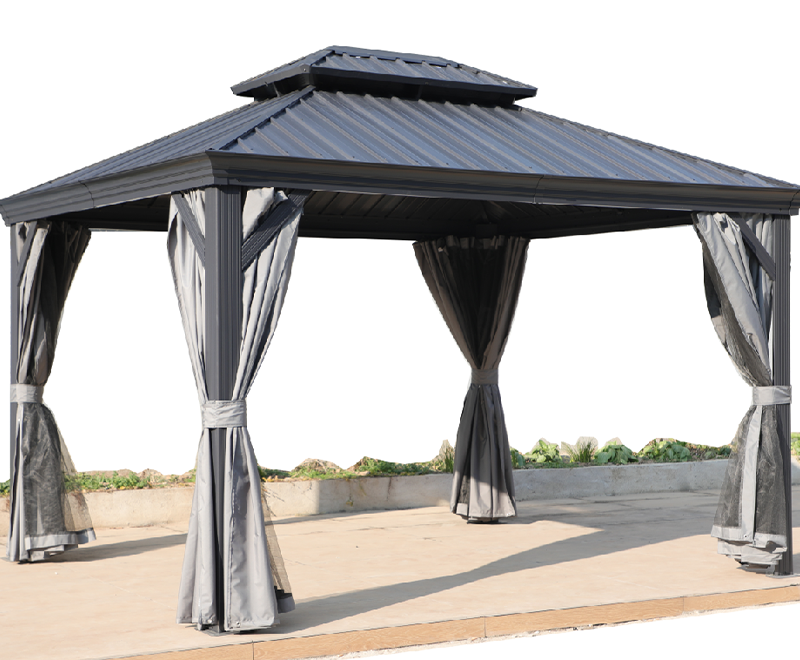
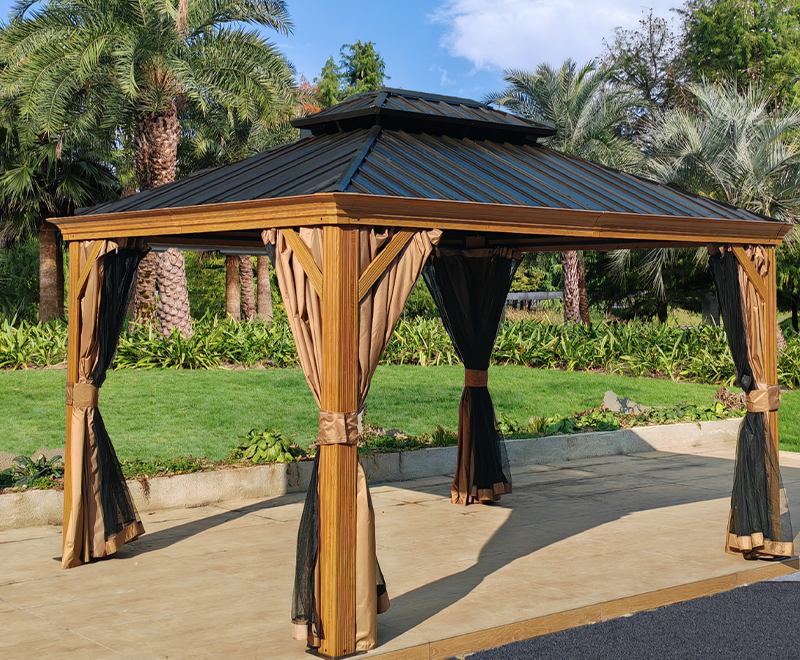
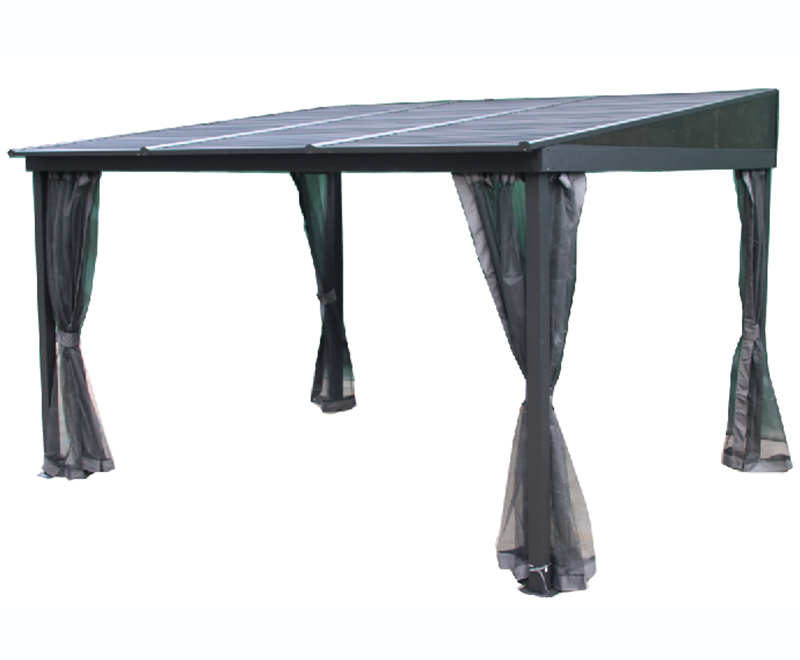
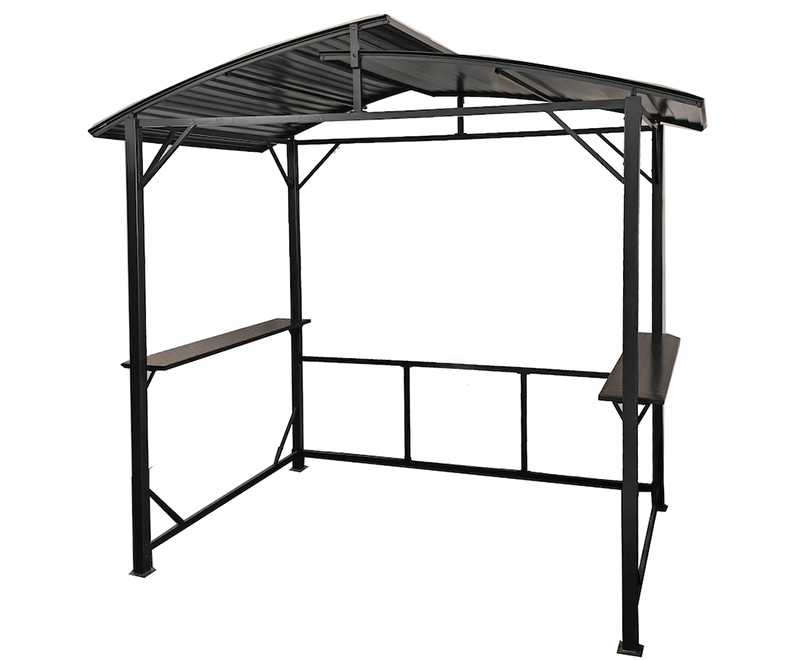
The best polycarbonate gazebo for your backyard is one with a multiwall polycarbonate roof panel of at least 10mm thickness, an aluminum or powder-coated steel frame, and a UV protection coating rated to block 99% of UV rays. This combination gives you the durability to handle snow loads up to 30 lbs per square foot in most climates, resistance to yellowing for 10+ years, and enough light transmission to keep the space bright without excessive heat buildup. The sections below walk through exactly how to evaluate panel type, frame material, size, and installation so you can match the right gazebo to your specific backyard and climate.
Understand the Types of Polycarbonate Panels
Not all polycarbonate roofing is the same, and the panel type has the biggest impact on strength, insulation, and price. There are three common types used in gazebo construction.
Comparison of polycarbonate panel types used in gazebo roofing
| Panel Type |
Thickness |
Best For |
| Solid Polycarbonate |
3–6mm |
Maximum impact resistance, small canopies |
| Twin-Wall (Hollow) |
6–10mm |
Standard backyard gazebos, good insulation-to-weight ratio |
| Multiwall (Triple/Quad-Wall) |
10–16mm |
Heavy snow/rain regions, year-round outdoor rooms |
For most backyard applications, twin-wall or multiwall panels between 8mm and 10mm strike the best balance — thick enough to resist hail and heavy rain, while still being light enough for standard aluminum framing to support without additional reinforcement.
Check UV Protection and Light Transmission
Untreated polycarbonate degrades quickly under constant sun exposure, often yellowing and losing structural integrity within 2–3 years. Look specifically for panels with a co-extruded UV-resistant layer, which is the industry standard for outdoor structures and typically extends usable lifespan to 10–15 years.
What to Look For on the Product Spec Sheet
- UV protection rated to block at least 99% of UV rays
- Light transmission between 35% and 55% for shade without excessive darkness
- A manufacturer warranty of 10 years or longer against yellowing and cracking
If you want a brighter, sunroom-like feel, choose panels with higher light transmission (50%+). If your priority is shade and heat reduction, opt for panels closer to 35% transmission or tinted/bronze-colored variants, which can reduce interior heat buildup by up to 20% compared to clear panels.
Evaluate the Frame Material
The frame determines how well the gazebo handles wind, weight, and long-term weathering. The roof panel is only as strong as the structure supporting it.
Common gazebo frame materials and their key tradeoffs
| Frame Material |
Pros |
Cons |
| Aluminum |
Rust-proof, lightweight, low maintenance |
Higher cost than steel |
| Powder-Coated Steel |
High strength, good wind resistance |
Can rust if coating is damaged |
| Wood |
Natural aesthetic, blends with landscaping |
Requires regular sealing and maintenance |
For most homeowners, an aluminum frame is the best long-term choice for a polycarbonate gazebo, since it won't rust or corrode even in humid or coastal climates, and it pairs well with the lightweight nature of polycarbonate panels without over-stressing the joints.
Size Your Gazebo to Match Its Purpose
Gazebo size should be driven by intended use, not just available yard space. Undersizing is one of the most common regrets buyers report after installation.
- 10x10 ft: fits a small dining set for 2–4 people, ideal for compact patios
- 12x12 ft: comfortably fits a dining table for 6 plus walking space
- 12x16 ft or larger: accommodates a dining area plus a separate lounge or grill zone
As a general rule, allow at least 3 feet of clearance around furniture on all sides so the space doesn't feel cramped once chairs are pulled out.
Match the Gazebo to Your Climate
Climate should directly influence panel thickness and frame strength. A gazebo built for a mild coastal climate may not hold up in a region with heavy snowfall.
- Heavy snow regions: choose 10mm+ multiwall panels and a steel or reinforced aluminum frame rated for snow loads of at least 20–30 lbs per square foot
- High-wind coastal areas: look for wind ratings up to 90+ mph and anchor kits designed for ground or concrete mounting
- Hot, sunny climates: prioritize tinted or bronze panels with 99% UV blocking to reduce heat and glare
Compare Installation Requirements
Installation complexity varies significantly between models, and this affects both upfront cost and long-term stability. Bolt-together aluminum kits are the most common choice for DIY installation, with most 10x10 ft models taking 4–8 hours for two people to assemble. Larger structures over 12x16 ft, or those requiring a permanent concrete footing, often benefit from professional installation to ensure proper anchoring and roof alignment.
Always check local building codes before installation — many municipalities require a permit for permanent structures over a certain size, typically 120 square feet, so confirm this before purchasing a larger gazebo.
Budget and Price Expectations
Polycarbonate gazebo prices vary widely based on size, panel thickness, and frame material. As a general guide, a basic 10x10 ft aluminum-framed model with 6mm twin-wall panels typically costs $800–$1,500, while a premium 12x16 ft model with 10mm+ multiwall panels and a reinforced steel frame can run $2,500–$5,000 or more. Factor in an additional 10–20% of the structure cost for a concrete foundation or professional installation if you're not doing it yourself.
Final Recommendation
For most backyards, the best choice is a 10x10 to 12x12 ft gazebo with 8–10mm twin-wall or multiwall polycarbonate panels, an aluminum frame, and 99% UV protection. This combination delivers strong weather resistance, long-term durability without yellowing, and manageable DIY installation for most homeowners. If you live in a region with heavy snow or high winds, prioritize upgrading to thicker panels and a reinforced frame over saving on upfront cost — the difference in structural failure risk over a 10-year period far outweighs the modest price gap.



 English
 中文简体
中文简体 Français