The Direct Answer: Is a Wall Mounted Solarium Right for You?
A wall mounted solarium is worth the investment if you want added natural light and usable square footage without the cost of a full home extension. Because it attaches directly to an existing exterior wall and uses that wall as one of its structural sides, a wall mounted solarium typically costs 30-40% less than a freestanding sunroom of the same size, while still adding genuine year-round living space.
The best-performing setups use an aluminum or vinyl frame with double-glazed, low-E coated glass, and are installed on a south- or east-facing wall to maximize daylight while limiting afternoon overheating. Below, we break down exactly why this configuration works, what materials to compare, and how to plan the installation correctly the first time.
What a Wall Mounted Solarium Actually Offers
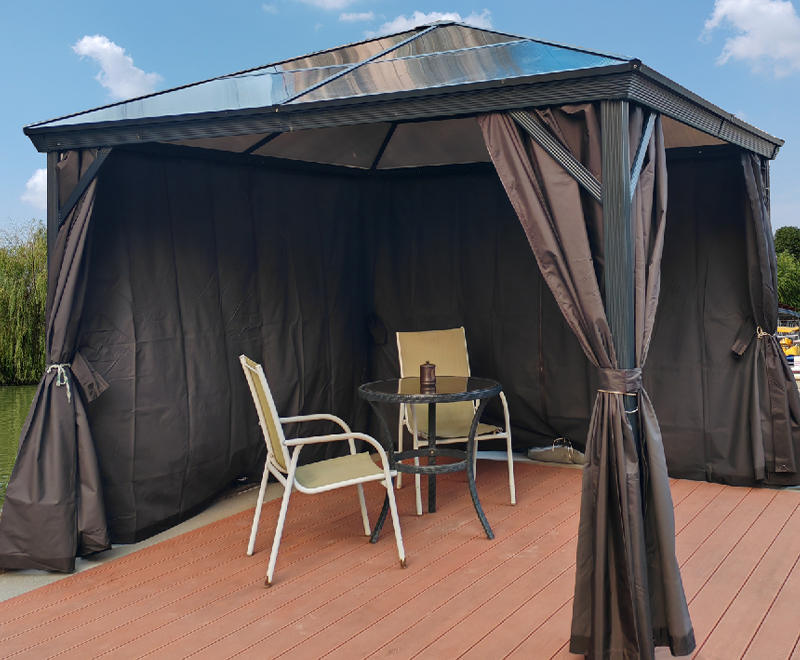
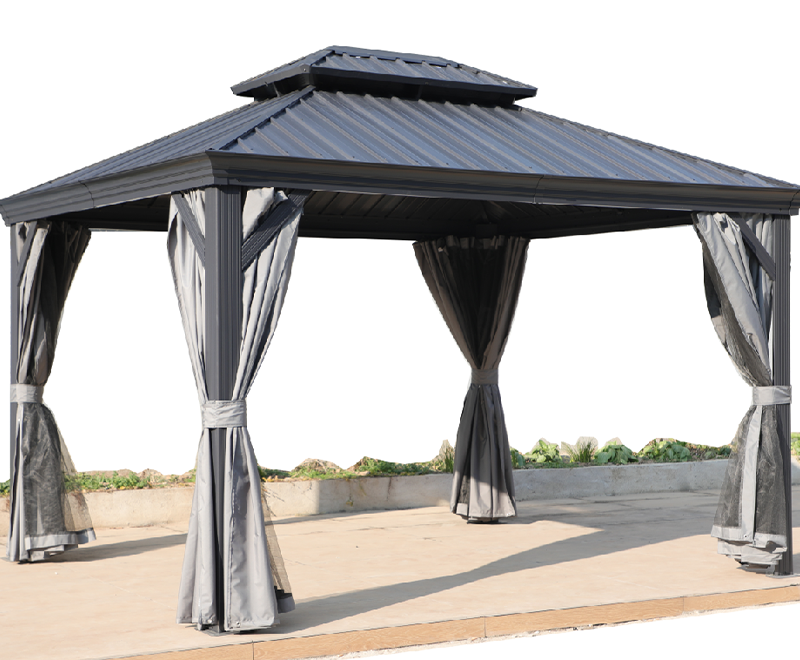
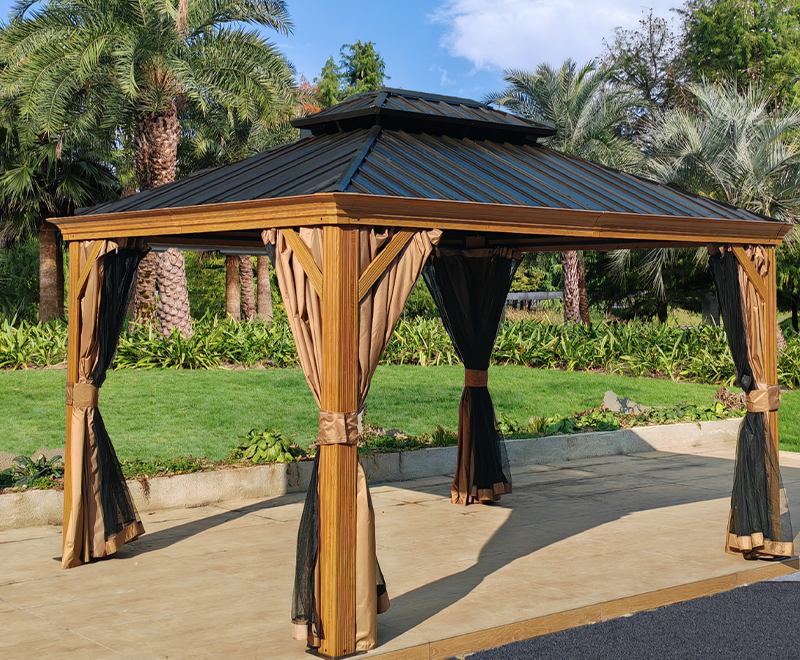
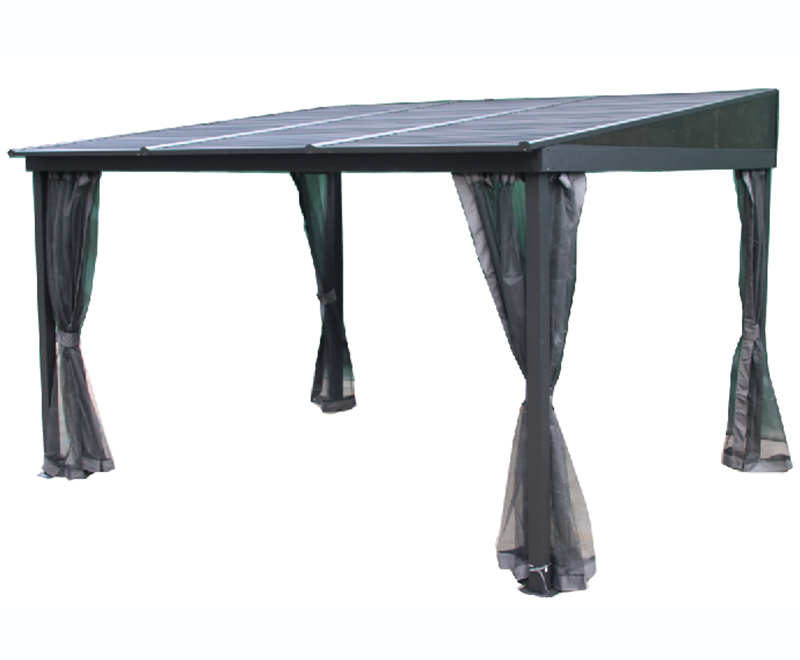
Unlike a standalone gazebo or greenhouse, a wall mounted solarium is a lean-to style glass structure that shares one wall with your house. This design has practical advantages beyond aesthetics.
Increased Natural Light
Most models use glass on the roof and at least two additional sides, which lets in significantly more daylight than a standard room addition with conventional windows. Homeowners commonly report needing artificial lighting 2-3 hours less per day in a solarium compared to an adjacent interior room during daylight hours.
Lower Construction Cost and Time
Because the house wall serves as one structural boundary, contractors need less foundation work and fewer support posts. A typical wall mounted solarium can be installed in 1-2 weeks, compared to 4-8 weeks for a traditional room extension with matching brick or siding.
Flexible Use of Space
Common uses include a home office, plant room, breakfast nook, or transitional mudroom. Because the space connects directly to the house, it functions as usable interior square footage rather than a separate outbuilding — which can also be a selling point noted by real estate appraisers in some markets.
Choosing the Right Materials
Two decisions drive performance and cost the most: the frame material and the glass or roof panel type.
Frame Material Comparison
| Frame Type |
Durability |
Insulation |
Relative Cost |
| Aluminum |
20+ years |
Moderate (thermally broken options improve this) |
Medium |
| Vinyl (uPVC) |
15-20 years |
High |
Low-Medium |
| Wood |
10-15 years |
High |
Medium-High |
Durability estimates assume standard exterior exposure without additional protective coating upgrades.
Glass and Roof Panel Options
Double-glazed, low-E (low-emissivity) glass is the standard choice for year-round use, since it blocks a large share of UV and infrared heat transfer while still letting visible light through. Single-pane glass costs less upfront but can raise summer cooling costs and cause noticeable heat loss in winter. Polycarbonate roof panels are a lighter, more affordable alternative to glass on the roof section, and they diffuse light more evenly, which reduces harsh glare and hot spots directly under the roof.
Setup and Installation Tips
Pick the Right Wall Orientation
Orientation has a bigger impact on comfort than almost any other design choice. A south-facing wall (in the Northern Hemisphere) gets the most consistent daylight throughout the year, while an east-facing wall gets gentler morning sun and stays cooler in the afternoon. West-facing installations often need additional shading or tinted glass to prevent overheating in the late afternoon.
Confirm the Wall Can Bear the Load
Because the solarium's structure attaches to and partially relies on the existing wall, a structural inspection is essential before installation. Older masonry walls or walls with existing cracks may need reinforcement before a solarium can be safely attached.
Plan for Ventilation and Temperature Control
Glass structures can overheat quickly without airflow. Effective setups typically combine three elements:
- Operable roof or side vents to release rising hot air
- Ceiling fans or a small split-unit AC for active cooling in summer
- A supplemental heater or connection to existing HVAC ductwork for winter comfort
Check Permits Before You Commit
Because a wall mounted solarium attaches to the home's structure and often involves new electrical or HVAC connections, most municipalities classify it as a home addition requiring a permit — unlike a freestanding gazebo, which is sometimes exempt below a certain size. Confirming this early avoids costly rework later.
Budgeting for a Wall Mounted Solarium
Costs vary by size, glazing quality, and whether climate control is included. The table below reflects common ranges for a straightforward residential installation.
| Size |
Typical Cost Range |
Common Use |
| Under 100 sq ft |
$8,000 - $15,000 |
Reading nook, small plant room |
| 100-200 sq ft |
$15,000 - $30,000 |
Home office, breakfast room |
| 200+ sq ft |
$30,000 - $60,000+ |
Full living or entertainment space |
Costs include standard installation but may not include electrical, HVAC extension, or permit fees.
Upgrading from single-pane to double-glazed low-E glass typically adds 15-20% to material cost but can cut annual heating and cooling losses through that space significantly, often making up the difference within a few years in colder or hotter climates.
Maintenance to Keep in Mind
A wall mounted solarium requires less upkeep than a wood-framed sunroom but still benefits from routine care:
- Clean glass panels twice a year to prevent mineral buildup from rain and reduced light transmission
- Inspect seals and weatherstripping annually, since gaps here are the most common source of drafts and leaks
- Clear roof vents and gutters before the rainy season to avoid water pooling on the roof panels
Done right, a wall mounted solarium is one of the more cost-effective ways to add both light-filled living space and long-term home value, without the disruption or expense of a full-scale addition.



 English
 中文简体
中文简体 Français