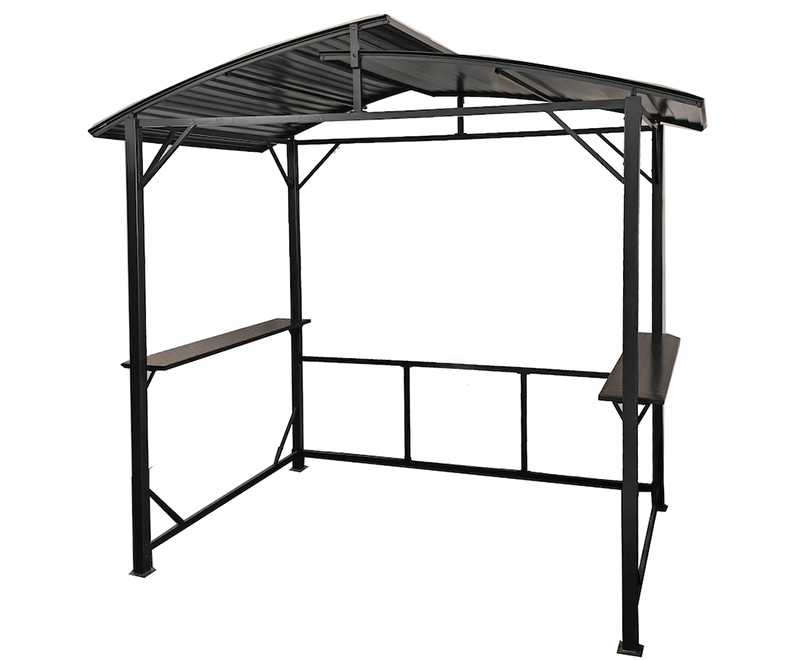
The Direct Answer: What Makes a Grill Gazebo Safe
A safe, durable grill gazebo needs three things above everything else: a fire-rated or non-combustible roof panel, open sides or a hard-top vented design that lets smoke and heat escape, and a steel or aluminum frame rated to handle sustained heat exposure near the grill. Skipping any one of these is the most common reason grill gazebos catch fire, warp, or get replaced within a year or two.
Below, we cover exactly why ventilation and roof material matter most, how to size and place the structure correctly, and what a realistic budget looks like for a setup that will actually hold up to regular grilling.
Why Ventilation Is the Most Important Safety Factor
Grill gazebos are one of the few outdoor structures designed specifically to sit near an open flame or high-heat cooking surface, which makes airflow a safety issue, not just a comfort one.
The Hard-Top Vented Design
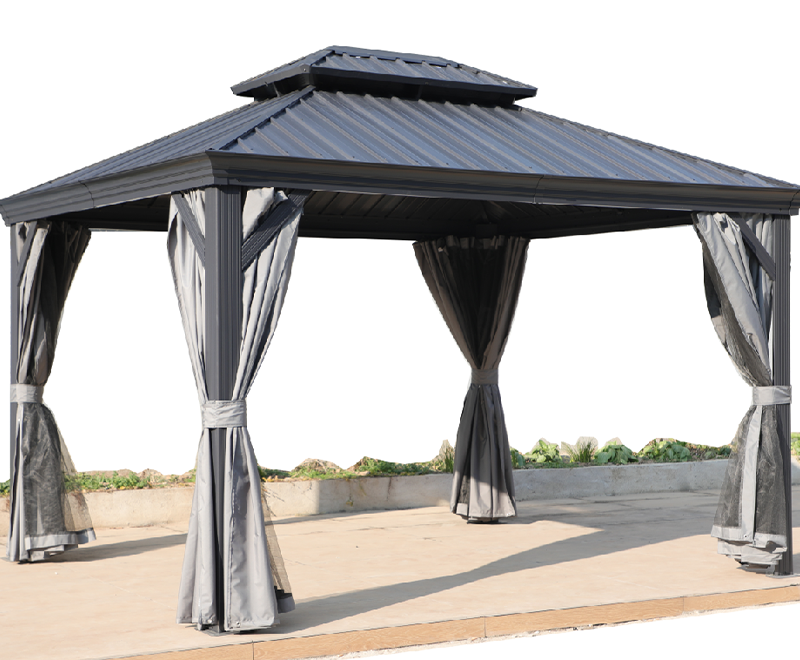
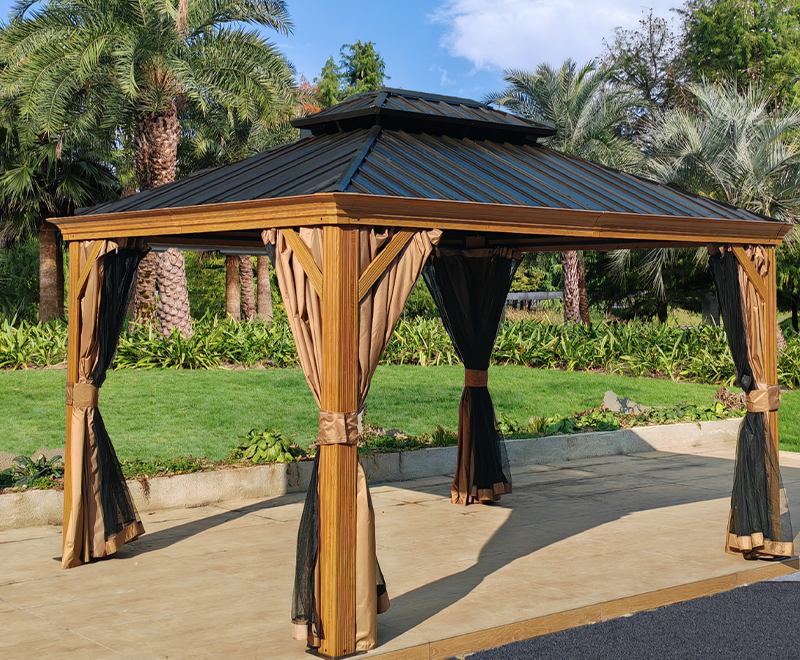
Most purpose-built grill gazebos use a double-tier roof with a gap between the two layers, which lets smoke and rising heat vent out through the top rather than pooling under a solid ceiling. This design is the industry standard for a reason — a sealed, single-layer roof directly above a grill can trap heat to the point of scorching or igniting the material, especially with fabric or vinyl canopies.
Open-Sided vs. Enclosed Structures
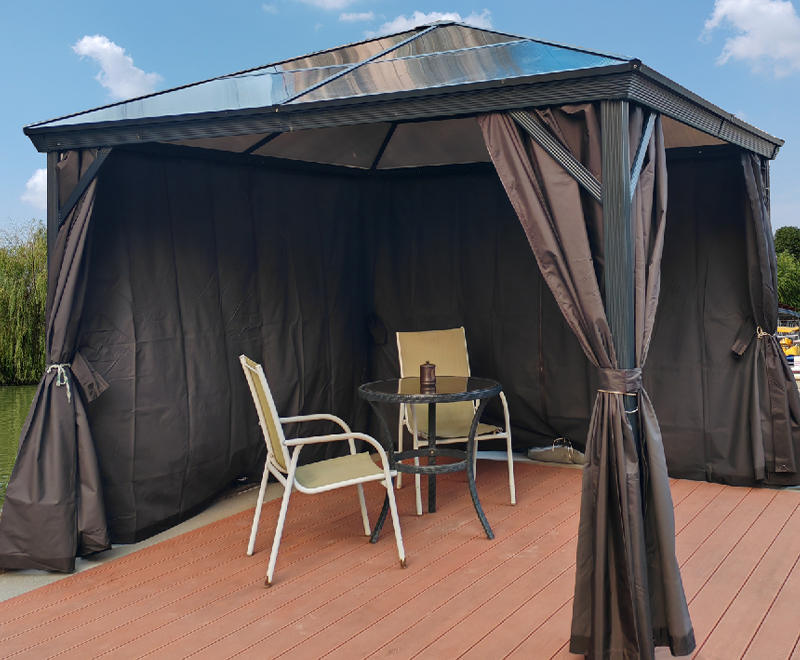
Grill gazebos should stay open on at least three sides. Fully enclosing the structure with screens or panels on all sides traps carbon monoxide and smoke, which is a serious health hazard even with a vented roof. If you want partial enclosure for wind protection, leave at least two sides open at all times while grilling.
Choosing Fire-Safe Materials
Material choice determines whether a gazebo simply gets discolored over time or becomes an actual fire hazard.
Roof Panels
| Roof Material |
Heat Resistance |
Recommended for Grilling |
| Galvanized steel |
Excellent |
Yes |
| Polycarbonate |
Good (with vented gap) |
Yes, if double-tiered |
| Fabric or vinyl canopy |
Poor |
No |
Fabric and vinyl canopies are not recommended for direct grill use even when a grill gazebo is marketed as "all-purpose."
Frame Material
Powder-coated steel is the most common frame choice for grill gazebos because it resists both grease staining and heat warping better than untreated aluminum. Aluminum frames are lighter and rust-proof, but lower-grade aluminum can soften slightly under sustained close-range heat, so look for heavy-gauge aluminum rated for outdoor cooking use if you prefer it over steel.
Sizing and Placement on Your Patio
Getting the size and placement right matters as much for safety as it does for usability.
- 8x8 ft: Fits one standard grill plus a small prep cart — suitable for smaller patios
- 10x10 ft: Fits a grill, prep space, and a couple of stools — the most common size for family use
- 12x12 ft or larger: Accommodates a full outdoor kitchen setup with a grill, counter space, and seating
Leave at least 3 feet of clearance between the grill and the nearest gazebo post or side panel, and keep the structure at least a few feet away from the house wall or any overhanging tree branches to reduce fire risk further.
Installation Tips for Long-Term Durability
Anchor to a Hard, Level Surface
Grill gazebos should be installed on concrete, pavers, or a similarly non-combustible surface — never directly on grass, mulch, or a wood deck without a heat-resistant mat underneath. Anchoring the frame to this surface also reduces wind movement, which matters since a shifting structure near an active grill is its own hazard.
Keep a Fire Extinguisher Nearby
Even a well-ventilated, non-combustible gazebo benefits from having a small fire extinguisher rated for grease fires stored within reach of the cooking area, since flare-ups can happen regardless of the structure's material.
Check Grease Drainage
Some grill gazebos include built-in grease traps or drainage channels in the flooring area. If yours doesn't, place a heat-resistant mat under the grill to catch drips and make cleanup easier, since accumulated grease residue is itself a fire risk over time.
Cost Breakdown by Size and Material
Prices scale with size and whether the structure uses a hard-top vented roof or a simpler canopy design.
| Size |
Typical Price Range |
Common Use |
| 8x8 ft |
$300 - $700 |
Single grill, small patio |
| 10x10 ft |
$600 - $1,400 |
Grill plus prep space and seating |
| 12x12 ft+ |
$1,200 - $3,000+ |
Full outdoor kitchen setup |
Prices reflect the gazebo structure only; a non-combustible base surface may add extra cost if one isn't already in place.
Choosing a steel hard-top model over a fabric canopy typically adds 40-60% to the upfront cost, but it removes the recurring expense of replacing scorched or faded canopies every one to two seasons — a cost that adds up quickly with frequent grilling.



 English
 中文简体
中文简体 Français