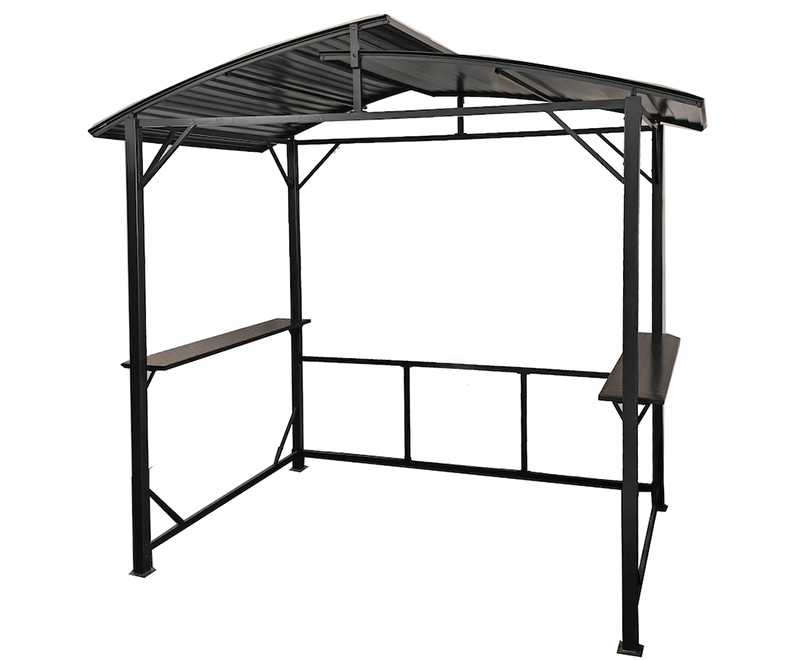
Introduction to Octagonal Solariums
An octagonal solarium is a sunroom with an eight-sided design, offering maximum sunlight exposure and aesthetic appeal. Compared to traditional rectangular sunrooms, octagonal solariums allow for even distribution of natural light, panoramic outdoor views, and versatile interior layouts.
However, the performance, comfort, and energy efficiency of a solarium are highly influenced by two main factors: climate and orientation. Understanding these elements is crucial for homeowners seeking to optimize natural lighting, temperature control, and overall usability.
How Climate Impacts Solarium Performance
Hot Climates
In hot climates, an octagonal solarium can become uncomfortably warm, increasing the need for cooling. To mitigate this:
Design Considerations
- Glass Type: Use low-E or tinted glass to reduce solar heat gain while maintaining brightness.
- Ventilation: Include operable windows, roof vents, or ceiling fans to allow hot air to escape.
- Shading: Utilize overhangs, blinds, or external awnings to block intense midday sun.
Benefits
- Maintains comfortable indoor temperatures
- Reduces air conditioning costs
- Prevents fading or overheating of furnishings
Cold Climates
For colder regions, solariums can act as passive solar heaters, capturing sunlight to warm the interior.
Design Considerations
- Insulated Glass: Double or triple glazing minimizes heat loss.
- Orientation: Position the solarium for maximum southern exposure to capture sunlight.
- Thermal Mass: Incorporate stone or tile flooring to absorb and gradually release heat.
Benefits
- Reduces heating expenses
- Extends usable space throughout the year
- Enhances comfort and natural lighting
Humid or Rainy Climates
High humidity or frequent rainfall can affect both the solarium structure and indoor comfort:
Design Considerations
- Material Selection: Use corrosion-resistant frames like aluminum, vinyl, or treated wood.
- Drainage: Proper sloping and guttering prevent water accumulation.
- Ventilation: Ensure adequate airflow to minimize humidity buildup.
Benefits
- Prevents mold, mildew, and material degradation
- Maintains a healthy indoor environment
- Increases longevity of the solarium structure
How Orientation Influences Sunlight and Energy Efficiency
Optimal Sun Exposure
Orientation dictates how much sunlight enters the solarium, which affects indoor comfort and energy efficiency.
| Orientation |
Sunlight Exposure |
Recommended Use |
| South |
Maximum sunlight |
Ideal for cold climates and indoor gardening |
| North |
Minimal direct sun |
Suitable for mild climates or shaded solariums |
| East |
Morning sun |
Breakfast areas, morning relaxation spaces |
| West |
Afternoon sun |
Afternoon light; use shading to prevent overheating |
Seasonal Sun Path
Sun angles change with seasons, impacting solar gain:
Winter
- Lower sun angles make southern and southeastern orientations optimal for sunlight penetration.
- Maximizes passive heating and natural light.
Summer
- Higher sun angles can cause overheating.
- Use overhangs, awnings, or blinds to reduce solar gain.
Proper orientation reduces reliance on heating, cooling, and artificial lighting, increasing efficiency.
Design Strategies to Optimize Climate and Orientation
Glazing Options
- Low-E Glass: Reduces UV penetration and thermal loss.
- Tinted Glass: Minimizes glare in hot climates.
- Double/Triple Glazing: Improves insulation in cold climates.
Ventilation Solutions
- Operable Windows: Allow airflow for temperature regulation.
- Roof Vents: Release trapped hot air.
- Cross Ventilation: Combines vents and windows on opposite sides for effective airflow.
Shading and Insulation
- Overhangs and Awnings: Block direct sunlight during peak hours.
- Blinds or Curtains: Adjustable shading for comfort.
- Flooring and Walls with Thermal Mass: Absorb heat during the day, release at night.
Climate and Orientation Recommendations
| Climate Type |
Orientation Recommendation |
Glass & Ventilation Tips |
Additional Strategies |
| Hot / Sunny |
East or West |
Low-E or tinted glass, roof vents |
Overhangs, blinds, reflective flooring |
| Cold / Snowy |
South |
Double/triple glazing, operable windows |
Thermal mass flooring, passive solar design |
| Humid / Rainy |
South or East |
Corrosion-resistant frames, ventilated |
Proper drainage, cross ventilation |
| Mild / Temperate |
Any |
Standard insulated glass |
Optional shading depending on sun path |
Practical Tips for Homeowners
- Assess Local Climate: Consider seasonal temperatures, humidity, and sunlight intensity.
- Determine Optimal Orientation: Southern exposure in cold climates; east or west in hot climates.
- Select Suitable Materials: Glass, frame, and flooring should match local weather conditions.
- Incorporate Ventilation and Shading: Prevent overheating and manage glare.
- Consult Professionals: Architects or solarium specialists can optimize design for energy efficiency.
FAQ
Q1: Can an octagonal solarium be used year-round?
Yes, with proper glazing, ventilation, and orientation, it can provide comfort in all seasons.
Q2: Which orientation maximizes solar heating?
Southern exposure is best for cold climates to capture sunlight during winter.
Q3: How can overheating be prevented in hot climates?
Use low-E/tinted glass, roof vents, overhangs, and blinds to regulate temperature.
Q4: Is orientation important for indoor gardening?
Yes, south-facing solariums provide maximum sunlight for plant growth.
Q5: Are special frames needed for humid climates?
Yes, corrosion-resistant frames like aluminum or vinyl prevent material degradation.
References
- ASHRAE Handbook – Solar Design Guidelines for Sunrooms, 2023
- Journal of Architectural Engineering – “Octagonal Sunrooms: Orientation and Energy Efficiency,” 2022
- National Solar Association – Homeowners’ Guide to Solariums, 2021
- ISO 15099 – Thermal Performance of Windows, Doors, and Shading Devices, 2023



 English
 中文简体
中文简体 Français