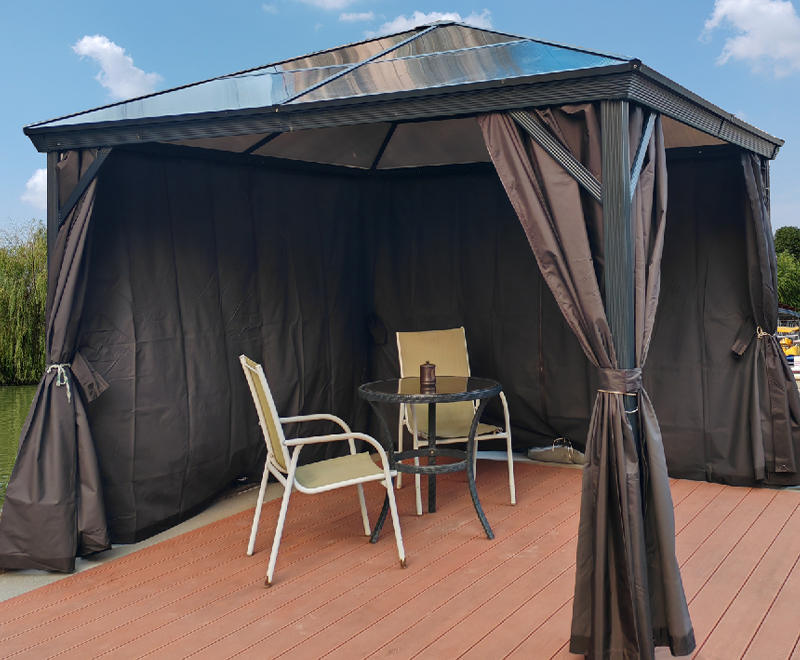
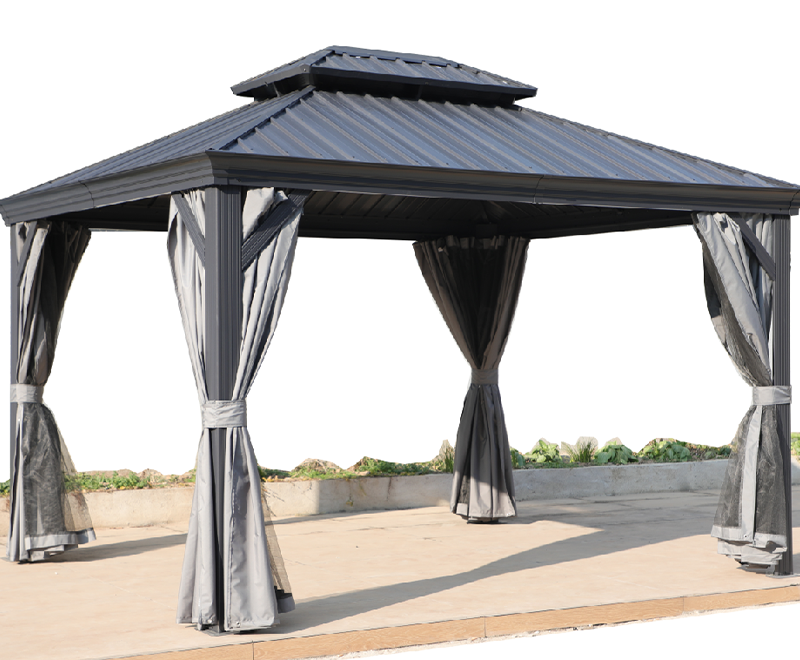
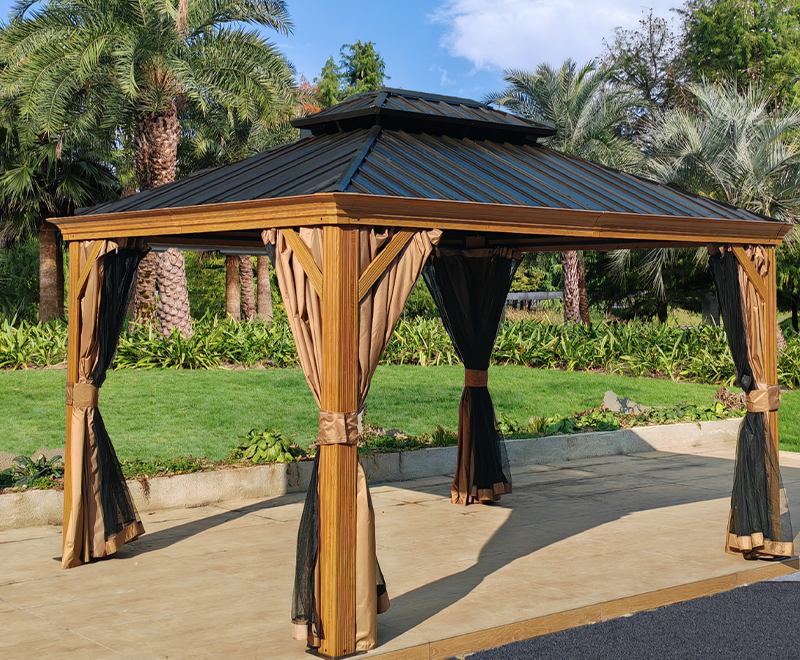
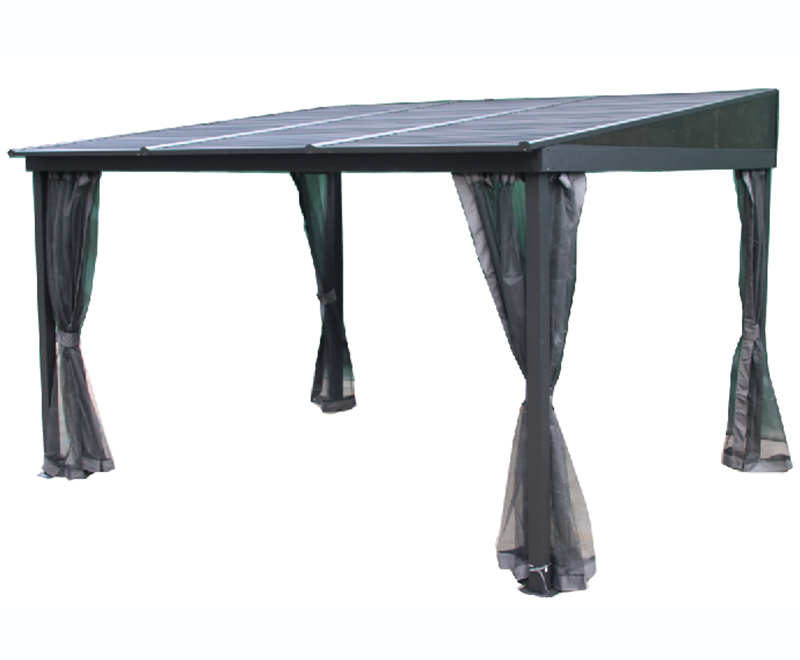
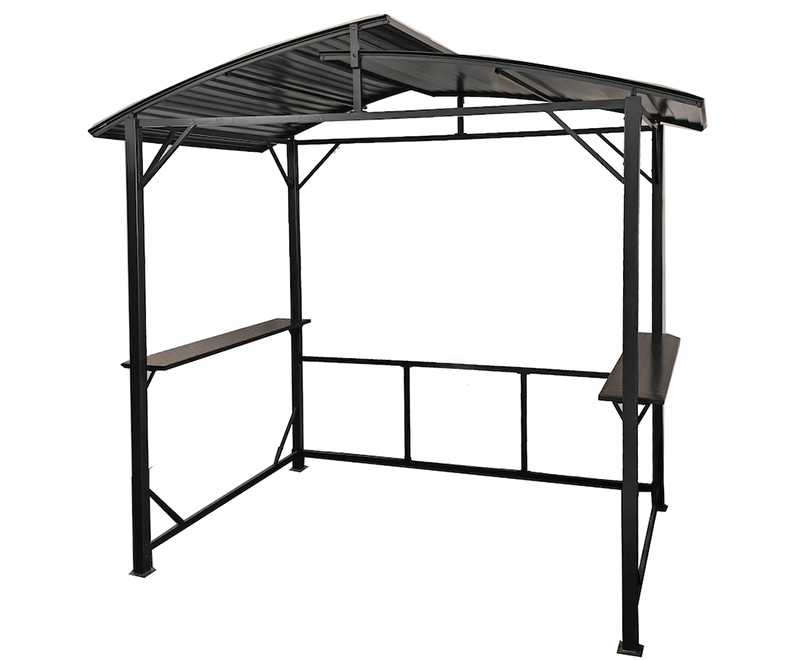
Installing a permanent hardtop gazebo is a strategic investment in your outdoor living space. Unlike temporary fabric models, a double-top hardtop gazebo is engineered to withstand diverse weather conditions while providing a sophisticated focal point for your backyard.
Pre-Assembly Strategy and Site Preparation
The success of a permanent outdoor structure depends heavily on the groundwork laid before the first bolt is tightened. Proper preparation prevents structural misalignment and ensures a smooth installation process.
Selecting and Preparing the Foundation
A gazebo must be anchored to a surface that is both level and structurally sound to avoid stress on the joints.
- Concrete Surfaces: For a truly permanent installation, a concrete pad is the ideal substrate. Ensure the concrete is fully cured and at least 10cm thick to support the expansion anchors.
- Wooden or Composite Decks: If installing on a deck, you must ensure the underlying joists can support the concentrated load of the gazebo posts. It is often necessary to add blocking beneath the deck boards at the anchor points.
- Leveling Procedures: Use a 2-meter bubble level or a laser leveling tool to check the entire installation area. A slope of even 1% can cause the roof panels to misalign, leading to persistent leaks.
Tool Inventory and Component Organization
Hardtop gazebos are complex kits containing hundreds of individual parts and fasteners. Organization is the key to efficiency.
- Hardware Sorting: Before starting, unpack all hardware and sort them into labeled bins. Using a magnetic tray is highly recommended to prevent losing specialized bolts.
- Recommended Tool List: While basic tools are often provided in the kit, using professional-grade tools like a cordless impact driver (with adjustable torque settings), a set of metric hex bits, two 3-meter ladders, and a rubber mallet will significantly reduce assembly time.
Step-by-Step Structural Assembly Process
The assembly of a double-top gazebo is a logical progression from the ground up. Following this sequence ensures that each component provides the necessary support for the next stage.
Post and Perimeter Beam Construction
The frame serves as the skeleton of your gazebo. Its stability is paramount for the entire structure.
- Assembling the Posts: Begin by attaching the base plates to each post. Ensure the posts are oriented correctly if they feature pre-drilled holes for curtain tracks.
- Connecting the Crossbeams: With the help of at least two assistants, connect the perimeter beams to the posts. At this stage, only hand-tighten the bolts.
- Squaring the Frame: Measure the distance between diagonal posts. If the two diagonal measurements are equal, the frame is square. Once squared, you can tighten the corner bolts to 80% capacity.
The Double-Tier Roof Mechanism
The double-top design is not just an aesthetic choice; it is a functional ventilation system that allows heat to escape and reduces wind pressure on the roof.
- Installing the Support Hub: The central hub is the highest point of the gazebo. Connect the primary rafters to this hub first to establish the roof pitch.
- Assembling the Small Top: The smaller upper tier is typically assembled separately and then hoisted onto the main frame. Ensure the insect netting for this vent is securely attached before final mounting.
- Ventilation Alignment: Proper alignment of the upper tier ensures that air can circulate freely while the overlap design prevents rain from blowing into the seating area.
Roof Panel Integration and Sealing
This is the most meticulous part of the assembly. Correct panel placement is vital for a waterproof finish.
- Sequential Installation: Always install the roof panels starting from one corner and working your way around. Avoid jumping between sides, as this can lead to cumulative alignment errors.
- Engaging the Channels: Most modern hardtop gazebos utilize a slide-and-lock channel system. Ensure each panel is fully inserted into the grooves. If a panel feels stuck, check for frame squareness rather than forcing it.
- Final Torque Check: Once all panels are in place, perform a final walkthrough to tighten every bolt across the entire structure.
Comparison of Hardtop Gazebo Specifications
To help you understand the technical advantages of different materials, refer to the table below:
| Feature |
Aluminum Frame Steel Roof |
All-Steel Construction |
Polycarbonate Hardtop |
| Corrosion Resistance |
Excellent (Rust-proof frame) |
Moderate (Requires maintenance) |
High |
| Wind Load Rating |
High (Up to 80-100 km/h) |
Very High |
Moderate |
| Snow Load Capacity |
Heavy Duty |
Maximum Strength |
Light to Moderate |
| Heat Insulation |
High (Reflective coatings) |
Moderate (Heats up in sun) |
Low (Translucent) |
| Installation Difficulty |
Moderate |
High (Heavy components) |
Low (Light panels) |
Maintenance for Long-Term Structural Integrity
A permanent gazebo requires periodic care to remain safe and aesthetically pleasing throughout the seasons.
Hardware Maintenance and Seasonal Checks
Environmental factors like temperature fluctuations and wind vibration can loosen fasteners over time.
- Annual Bolt Inspection: Every spring, inspect all visible bolts and anchors. Tighten any that have loosened due to thermal expansion and contraction.
- Rust Prevention: Even on powder-coated steel, scratches can occur during assembly. Touch up any exposed metal with matching outdoor paint to prevent localized oxidation.
Cleaning and Fabric Protection
The curtains and netting are the most vulnerable parts of the assembly.
- Netting Care: Remove the netting during extreme winter months to prevent ice buildup from tearing the mesh. Clean with a mild detergent and allow to air dry completely before storage.
- Roof Cleaning: Use a soft-bristle brush and a garden hose to remove leaves and debris from the roof. This prevents the gutter system from clogging and causing water overflow.
Frequently Asked Questions (FAQ)
How many people are needed for the assembly?
Due to the height and weight of the roof beams, a minimum of two adults is required. However, having three or four people during the roof panel installation phase makes the process significantly safer and faster.
Can this gazebo be installed on a lawn or soil?
It is not recommended to install a permanent hardtop gazebo directly on soil. The weight will cause uneven sinking, and wind can easily uproot the structure. If you must install on a lawn, you should first dig and pour concrete footings for each post.
Is the double-top gazebo better in high winds?
Yes. The gap between the main roof and the top cap acts as a wind vent. This allows air to flow through the structure rather than creating a lifting force under the roof, significantly improving stability during storms.
References and Industrial Standards
- ASTM F1912: Standard Specification for Safety and Quality of Outdoor Permanent Structures.
- ASCE 7-22: Minimum Design Loads and Associated Criteria for Buildings and Other Structures (Wind and Snow Load Guidelines).
- International Building Code (IBC) Section 3106: Regulations for Permanent Outdoor Pavilions and Membrane Structures.



 English
 中文简体
中文简体 Français