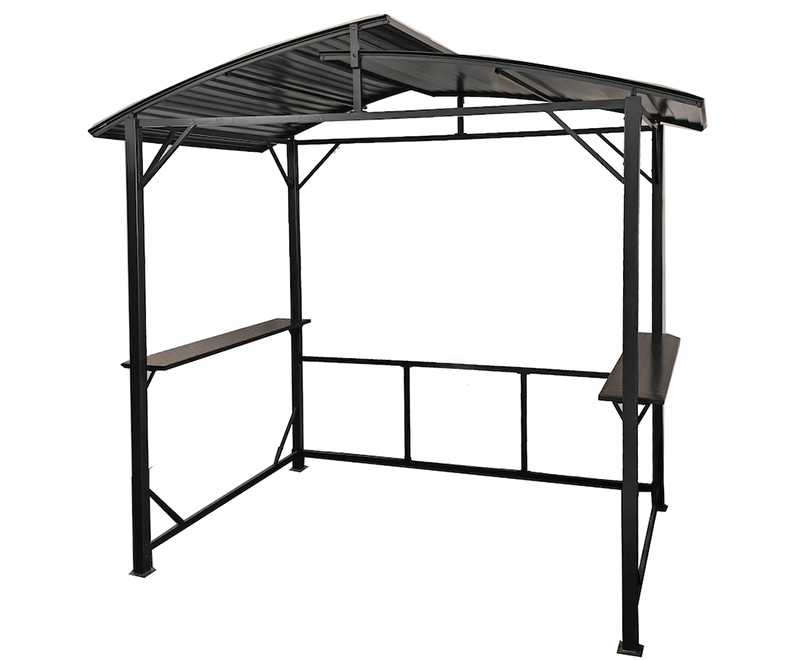
When it comes to outdoor storage solutions, durability is one of the most important considerations. Metal storage sheds, made from materials like galvanized steel, aluminum, and sometimes stainless steel, are often touted for their weather-resistant properties. But how well do these sheds actually perform in extreme weather conditions like rain, snow, high winds, and extreme heat?
1. Rain and Moisture Resistance
One of the main challenges outdoor storage solutions face is moisture, which can lead to rust, mold, or mildew. Metal storage sheds generally offer strong resistance to rain, but their performance depends on the material and any protective coatings.
Galvanized Steel Sheds
Galvanized steel is one of the most common materials for metal sheds. This type of steel has been coated with a layer of zinc, which prevents rust and corrosion. The galvanization process is effective in creating a barrier that repels moisture, ensuring that the shed remains structurally sound even in areas with high rainfall. Additionally, some metal sheds come with powder-coated finishes, providing an extra layer of protection against moisture and UV damage.
Aluminum Sheds
Aluminum is naturally resistant to corrosion, making it an excellent choice for areas prone to rain or high humidity. Unlike steel, which can corrode over time, aluminum sheds maintain their appearance and functionality longer when exposed to moisture. However, it is still recommended to choose aluminum sheds with additional coatings for enhanced protection.
| Material |
Rain Resistance |
Additional Protection |
| Galvanized Steel |
Excellent |
Powder-coated finish |
| Aluminum |
Good |
Can benefit from additional coatings |
Key Takeaway:
- Metal sheds, particularly those made from galvanized steel and aluminum, are highly resistant to rain and moisture. The protective coatings prevent rust and corrosion, extending the lifespan of the shed.
2. Snow and Ice Resistance
Metal storage sheds are built to endure the harshest of winter conditions, including snow and ice. Snow accumulation can be a serious concern for any outdoor structure, but metal sheds have advantages in dealing with cold temperatures and heavy snow loads.
Roof Design and Snow Load
The key feature of a metal shed that helps with snow resistance is the design of its roof. Most metal sheds come with sloped roofs that allow snow to slide off, preventing excessive weight buildup. If snow accumulates on the roof and is not removed, it can eventually cause structural damage. Choosing a shed with a roof that is designed to shed snow easily, as well as anchoring it securely to the ground, can significantly improve its performance in snowy climates.
Structural Integrity in Freezing Temperatures
Unlike wood, which can absorb moisture and swell, or plastic, which can become brittle, metal sheds retain their structural integrity in freezing temperatures. Galvanized steel and aluminum are particularly resilient, withstanding extreme cold without cracking or breaking.
| Material |
Snow Load Resistance |
Cold Weather Performance |
| Galvanized Steel |
Excellent |
Excellent |
| Aluminum |
Good |
Good |
Key Takeaway:
- Metal sheds are designed to handle snow loads, especially when the roof is sloped and properly maintained. Additionally, metal structures maintain their integrity even in freezing conditions.
3. Wind and Storm Resistance
One of the strongest advantages of metal storage sheds is their ability to withstand high winds and storms. Unlike wood and plastic sheds, which can become unstable or even blow away in strong winds, metal sheds are engineered for strength and durability.
Wind Resistance and Anchoring
Steel and aluminum sheds are inherently strong and able to withstand high winds. However, the effectiveness of a metal shed in extreme wind conditions depends on proper anchoring. Many high-quality metal sheds come with specific anchoring systems that allow you to secure the shed to the ground, preventing it from being displaced during storms.
Storm-Proofing
In areas prone to hurricanes or tornadoes, storm-proofing a metal shed involves reinforcing the structure with additional support beams or even anchoring it to a concrete foundation. Metal sheds designed for extreme weather will include additional reinforcements to prevent the structure from being damaged in high winds.
| Material |
Wind Resistance |
Storm Reinforcement |
| Galvanized Steel |
Excellent |
Reinforced models available |
| Aluminum |
Good |
Requires anchoring and reinforcement |
Key Takeaway:
- Metal sheds are highly wind-resistant, especially when properly anchored. Reinforced models can withstand extreme storm conditions, such as hurricanes and tornadoes.
4. Heat and UV Resistance
Extreme heat and prolonged exposure to sunlight can damage many materials, causing them to warp, crack, or fade. Metal storage sheds, however, are known for their ability to handle high temperatures without degrading.
Heat Resistance
Metal is an excellent material for dealing with extreme heat. Unlike plastic sheds, which can become brittle and crack under intense heat, metal sheds remain stable. Steel and aluminum do not expand or contract significantly with temperature changes, maintaining their structural integrity.
UV Protection
Exposure to UV rays can cause plastic sheds to fade or degrade over time, but metal sheds are less affected by UV rays. Many metal sheds come with a protective coating, such as powder coating, which provides UV protection. This not only prevents fading but also keeps the interior of the shed cooler during hot summer months.
| Material |
Heat Resistance |
UV Protection |
| Galvanized Steel |
Excellent |
Powder-coated for UV protection |
| Aluminum |
Good |
Can benefit from UV-resistant coatings |
Key Takeaway:
- Metal sheds excel in high-heat environments and offer excellent protection against UV rays, keeping both the structure and its contents safe from the sun’s damaging effects.
5. Cold and Freezing Temperatures
In regions with freezing temperatures, many materials suffer from brittleness and cracking. Metal sheds, however, are designed to handle extreme cold, maintaining their strength and durability throughout the winter months.
Performance in Freezing Conditions
Metal sheds, particularly those made from galvanized steel or aluminum, do not become brittle in cold weather. The metal remains flexible and strong, ensuring the shed does not crack or break. However, it is important to note that the inside of the shed can become very cold during winter, so additional insulation may be necessary for storing sensitive items.
| Material |
Freezing Temperature Performance |
Insulation Needs |
| Galvanized Steel |
Excellent |
Recommended for sensitive items |
| Aluminum |
Good |
Recommended for sensitive items |
Key Takeaway:
- Metal sheds perform well in freezing temperatures, but insulating the shed may be necessary if you plan to store temperature-sensitive items.
FAQ
-
Do metal storage sheds rust?
- Metal sheds are designed with protective coatings like galvanization or powder coating to prevent rust. However, if the protective layer is damaged, rust can develop. Regular maintenance helps prevent this.
-
Are metal storage sheds wind-resistant?
- Yes, metal sheds are highly resistant to wind. Proper anchoring is essential, especially in areas prone to severe storms.
-
How long do metal storage sheds last?
- With proper care and maintenance, metal storage sheds can last for decades. Galvanized steel sheds, in particular, are known for their longevity.
-
Do metal storage sheds need insulation in cold weather?
- While metal sheds remain structurally sound in freezing temperatures, insulation may be necessary to protect temperature-sensitive items stored inside.
References
- “Durability of Metal Sheds in Harsh Weather Conditions,” Outdoor Storage Solutions, 2023.
- “Best Practices for Maintaining Your Metal Shed,” Shed Care Magazine, 2022.



 English
 中文简体
中文简体 Français