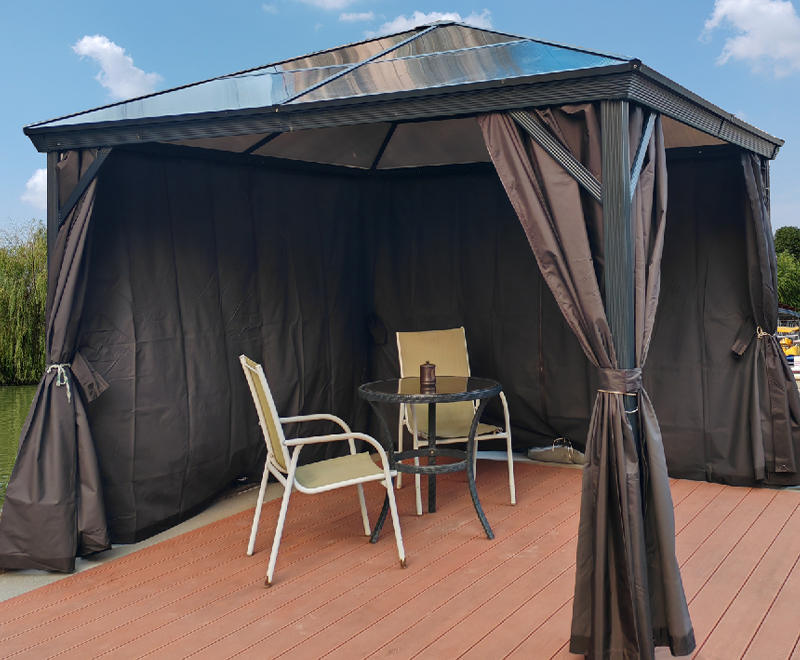
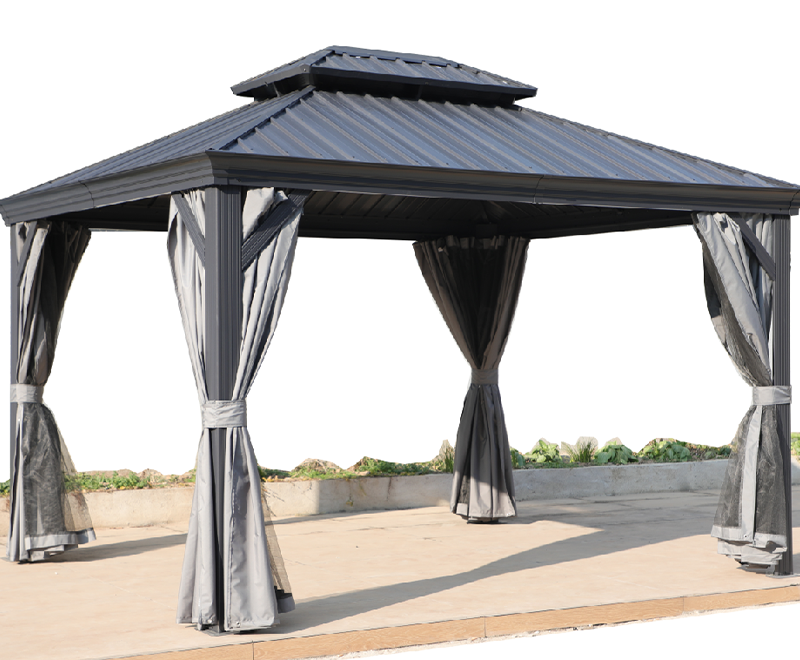
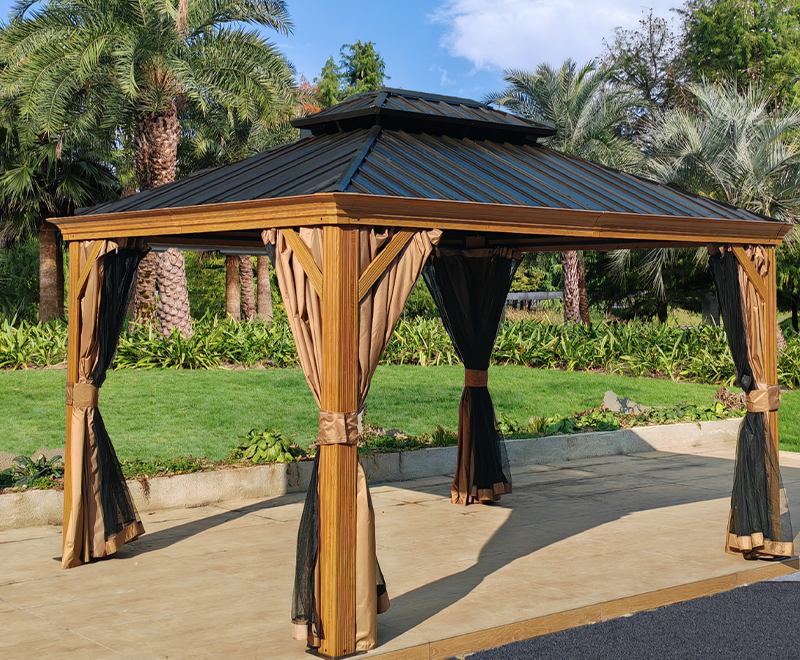
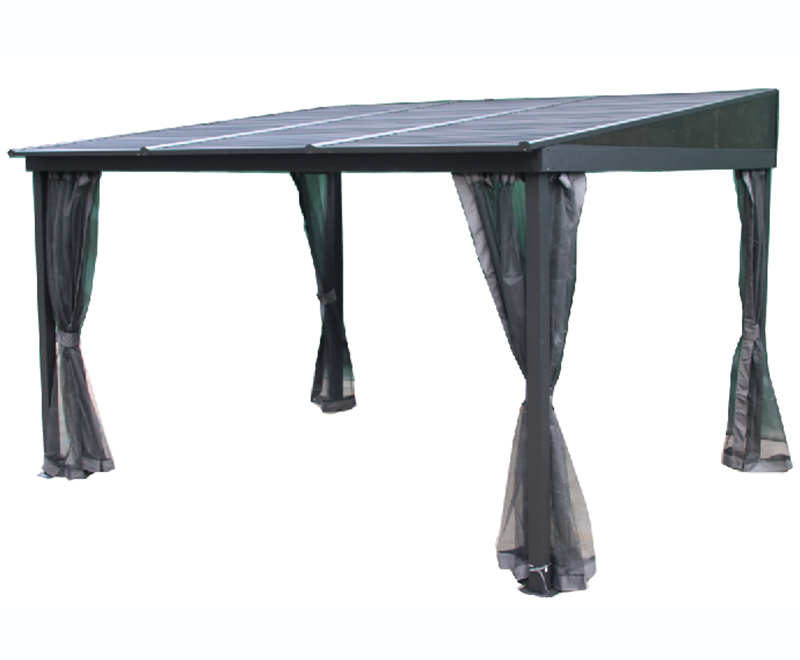
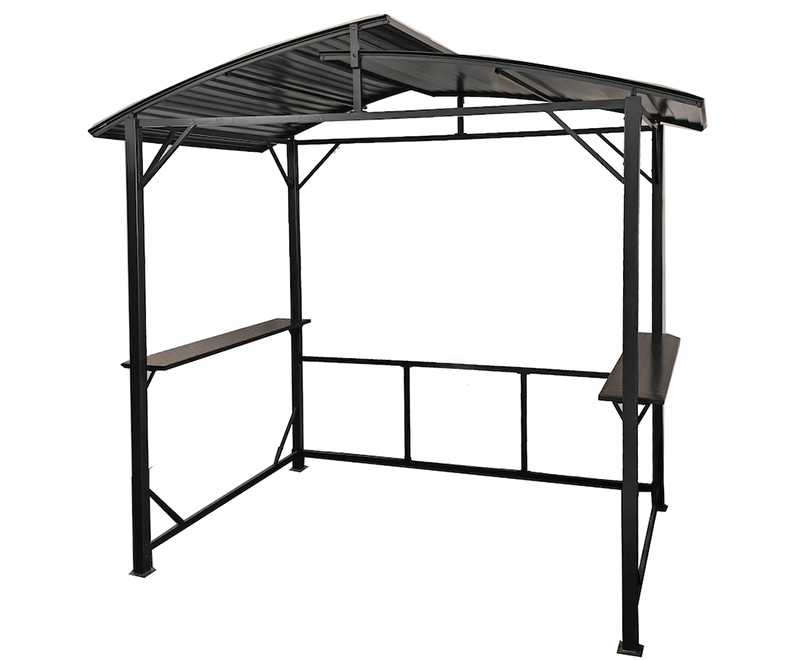
An outdoor aluminium solarium is a fully enclosed or semi-enclosed glass-and-aluminium extension attached to a home, designed to maximise natural light while providing year-round usable outdoor-indoor living space. Unlike basic pergolas or patios, solariums use thermally broken aluminium frames with double- or triple-glazed panels to regulate temperature, block UV rays, and withstand harsh weather — all with minimal maintenance. If you're looking for a durable, stylish, and energy-efficient way to expand your living area, an aluminium solarium is one of the best long-term investments you can make.
What Exactly Is an Outdoor Aluminium Solarium?
A solarium (also called a sunroom or conservatory) is a structure with glass walls and/or roof, built onto a home to create a bright, sheltered space. When the frame is made from aluminium — rather than timber or uPVC — you get a system that is lightweight yet structurally strong, corrosion-resistant, and virtually maintenance-free.
Aluminium solariums differ from simple patio covers in several key ways:
- They use thermally broken aluminium profiles to minimise heat transfer through the frame.
- Glazing options include double or triple-pane insulated glass, low-E coatings, and laminated safety glass.
- They are engineered to meet local building codes for wind, snow, and seismic loads.
- Interior temperatures can be controlled with HVAC integration, meaning they are usable in all seasons.
A typical aluminium solarium costs between $15,000 and $80,000 AUD (or equivalent), depending on size, glazing specification, and whether HVAC is included — compared to $5,000–$20,000 for a basic patio or pergola.
Design Options: Styles, Roof Types, and Glazing
Aluminium solariums are highly customisable. Below are the main design dimensions to consider.
Structural Styles
- Lean-to (Mono-pitch): The simplest and most affordable form — a single-sloped roof that attaches to the house wall. Ideal for narrow side alleys or rear extensions up to 4 m deep.
- Gable (Cathedral): A symmetrical peaked roof that allows for higher ceilings and a more architectural look. Suits larger rooms (5–8 m wide).
- Hip Roof: Four sloped sides meeting at a central ridge. Excellent for wind resistance; common in cyclone-prone or coastal regions.
- Victorian/Edwardian: Decorative ridged roofs with faceted ends, offering a classic heritage appearance that suits period homes.
- Curved/Barrel Vault: Arched aluminium extrusions create a modern, fluid aesthetic — popular for pool enclosures and contemporary homes.
Roof Glazing Options
| Glazing Type |
U-Value (W/m²K) |
Best For |
Approx. Cost Premium |
| Single-pane glass |
5.6 |
Mild climates, budget builds |
Baseline |
| Double-pane IGU |
1.8–2.8 |
Most residential projects |
+15–25% |
| Low-E double-pane |
1.2–1.8 |
Hot or cold climates |
+25–35% |
| Triple-pane IGU |
0.6–1.0 |
Extreme climates, passive house |
+40–60% |
| Polycarbonate panels |
1.5–2.5 |
Lightweight roofs, hail zones |
–10 to +5% |
Comparison of common glazing options for aluminium solariums, including thermal performance and relative cost.
Frame Colour and Finish
Aluminium extrusions are powder-coated in virtually any RAL or custom colour. Standard finishes include white, black, Woodland Grey, and Surfmist. Powder coating lasts 15–25 years without repainting, compared to 3–7 years for painted timber. Anodised finishes are also available for a metallic look and superior corrosion resistance in coastal environments.
Key Benefits of Aluminium Solariums
Year-Round Usability
With proper glazing and optional HVAC, an aluminium solarium maintains interior temperatures within a comfortable range regardless of outside conditions. Studies show that thermally broken aluminium frames reduce heat loss through the frame by up to 70% compared to standard (non-broken) aluminium profiles.
Low Maintenance
Aluminium does not rot, warp, crack, or require periodic sealing or painting. Annual cleaning with mild soapy water is typically all that is needed. This contrasts sharply with timber frames, which require repainting or re-staining every 3–5 years at a cost of $500–$2,000 per cycle.
Structural Strength and Safety
Aluminium has a strength-to-weight ratio approximately three times that of steel on a per-kilogram basis, enabling slimmer profiles and larger uninterrupted glass spans. Most aluminium solarium systems are engineered to withstand wind speeds of 120–200 km/h, depending on region and specification.
Property Value Addition
A well-built solarium adds usable floor area to a home. Real estate data indicates that quality sunroom/solarium additions can increase property resale value by 5–15%, with the addition often recouping 50–80% of its construction cost upon sale.
UV and Weather Protection
Low-E and UV-filtering glass blocks up to 99% of harmful UV radiation, protecting occupants, furniture, and flooring from fading and sun damage while still transmitting visible light.
Sustainability
Aluminium is 100% recyclable, and recycled aluminium requires only 5% of the energy needed to produce virgin aluminium. Many manufacturers now use a high percentage of recycled content in their extrusions, reducing embodied carbon significantly.
Installation Process: What to Expect
The installation of an aluminium solarium typically follows these stages:
- Site assessment and design: A structural engineer or certified installer assesses the existing wall, floor, and roof connections. CAD drawings are produced and submitted for council/permit approval. This phase typically takes 2–6 weeks.
- Council approval / permits: Most solariums over 10 m² require a building permit. Approval timelines vary from 1 week to 3 months depending on jurisdiction.
- Foundation or slab preparation: A concrete slab (typically 100 mm thick with edge thickening) is poured or an existing slab is verified as adequate. Curing takes a minimum of 7 days before frame installation.
- Aluminium frame erection: Pre-fabricated aluminium sections are bolted together on-site. A standard 4 m × 6 m lean-to solarium frame is typically erected in 1–2 days by a two-person crew.
- Glazing installation: Glass or polycarbonate panels are inserted into the frame and sealed with EPDM gaskets and silicone. This stage adds 1–3 days depending on panel count.
- Electrical, HVAC, and finishes: If the solarium includes lighting, power outlets, ceiling fans, or a split-system air conditioner, licensed tradespeople complete this work. Allow 1–3 days.
- Inspection and handover: A final building inspection is conducted and a certificate of occupancy is issued. Total project timeline from contract signing to handover is typically 8–16 weeks.
DIY vs. Professional Installation
Some manufacturers sell flat-pack aluminium solarium kits for experienced DIYers, with prices starting from around $8,000–$20,000 for supply-only. However, most building codes require a licensed builder to sign off on the structure, foundation work, and any electrical connections. Attempting a full DIY installation without professional oversight risks permit issues, structural failure, and voided warranties.
Buying Guide: How to Choose the Right Aluminium Solarium
1. Define Your Primary Use Case
Before comparing products, clarify how you will use the space. Common use cases and their implications:
- Dining/living extension: Prioritise thermal performance (low U-value glazing) and HVAC compatibility.
- Pool enclosure: Prioritise corrosion resistance (marine-grade anodised aluminium), humidity sealing, and ventilation.
- Garden/plant room: Maximise glass area and consider roof vents or automated louvres for temperature control.
- Home office: Acoustic laminated glass (reducing noise by 35–45 dB) and adequate power outlets are essential.
2. Check the Aluminium Profile System
Not all aluminium profiles are equal. Look for systems that specify:
- Thermal break width: A polyamide thermal break of at least 24 mm is recommended for climates with significant temperature swings.
- Wall thickness: Structural extrusions should have a minimum wall thickness of 1.4–1.6 mm for residential use.
- Alloy specification: 6063-T5 or 6061-T6 alloys are standard for structural glazing systems.
3. Evaluate the Supplier
- Ask for a minimum 10-year structural warranty and a separate warranty on powder-coat finish (15+ years) and glazing seals (5+ years).
- Verify that the installer is licensed and that the system carries relevant certifications (e.g., Australian WaterMark, CE Mark in Europe, ENERGY STAR in the US).
- Request examples of completed projects in your climate zone and check online reviews on Google, Houzz, or local trade directories.
4. Budget Benchmarks
| Size |
Basic Spec (Supply + Install) |
Mid-Range Spec |
Premium Spec |
| 3 m × 3 m (9 m²) |
$12,000–$18,000 |
$18,000–$28,000 |
$28,000–$45,000 |
| 4 m × 6 m (24 m²) |
$25,000–$38,000 |
$38,000–$55,000 |
$55,000–$80,000 |
| 6 m × 8 m (48 m²) |
$45,000–$65,000 |
$65,000–$95,000 |
$95,000–$150,000+ |
Indicative installed cost ranges (AUD) for aluminium solariums by size and specification tier. Costs vary by region, site conditions, and glazing choice.
5. Questions to Ask Your Supplier Before Signing
- What is the U-value of the complete system (frame + glass combined)?
- Is the thermal break polyamide, and what is its width?
- Does the quote include council permit fees and engineering certification?
- What wind and snow load rating has the system been tested to?
- Who is responsible for the building inspection sign-off?
- What are the terms if condensation, water ingress, or structural defects appear within the warranty period?
Common Mistakes to Avoid
- Choosing price over thermal performance: A solarium with single-pane glass or no thermal break will overheat in summer and be freezing in winter, making it unusable for much of the year.
- Skipping the permit process: Unpermitted structures can be ordered to be demolished at the owner's expense and will create problems when selling the property.
- Ignoring orientation: A north-facing solarium (in the Southern Hemisphere) maximises winter sun; a west-facing one risks severe afternoon overheating without external shading or appropriate glass specification.
- Underestimating ventilation needs: Glass enclosures can reach 40°C+ internally without adequate ventilation. Budget for roof vents, louvred panels, or a split-system from the outset.
- Using standard (non-marine) aluminium in coastal areas: Salt-laden air accelerates corrosion on standard powder-coated finishes. Specify anodised or marine-grade coatings within 1 km of the ocean.
Final Verdict: Is an Aluminium Solarium Worth It?
For homeowners seeking a durable, low-maintenance, and visually open extension that can be used in all seasons, an aluminium solarium consistently outperforms timber, uPVC, and steel alternatives across total lifecycle cost, aesthetic versatility, and structural performance. The upfront investment is higher than a basic patio cover, but the combination of zero repainting costs, 25–50 year structural lifespan, and property value uplift makes it a sound long-term choice.
The single most important buying decision is glazing specification: invest in at minimum a double-pane low-E system regardless of climate. Everything else — style, colour, roof pitch — can be adapted to your preferences and budget without compromising the core performance of the structure.



 English
 中文简体
中文简体 Français